Upper Tokai Park – A Glorious Decade of Fynbos Restoration
Only four South African national parks have more species than this single slope.
By Tony Rebelo, South African National Biodiversity Institute.
Reading Time: 13 minutes
Table Mountain National Park was proclaimed in 1998 to conserve for future generations the plants and animals of the Littlest Kingdom on Earth. As part of the overall plan, the no-longer economical plantations were transferred from the Department of Forestry to SANParks to manage.
A caretaker organisation, Mountains To Oceans (MTO), was created to remove the old pine and gum plantations so that SANParks could restore the area to its historical fynbos. The 2015 wildfire, which burned through all the pine and gum plantations in upper Tokai Park, accelerated the transfer of the land.
Dead trees rapidly lose value, so MTO quickly harvested all the timber and the cleared land was transferred to SANParks.
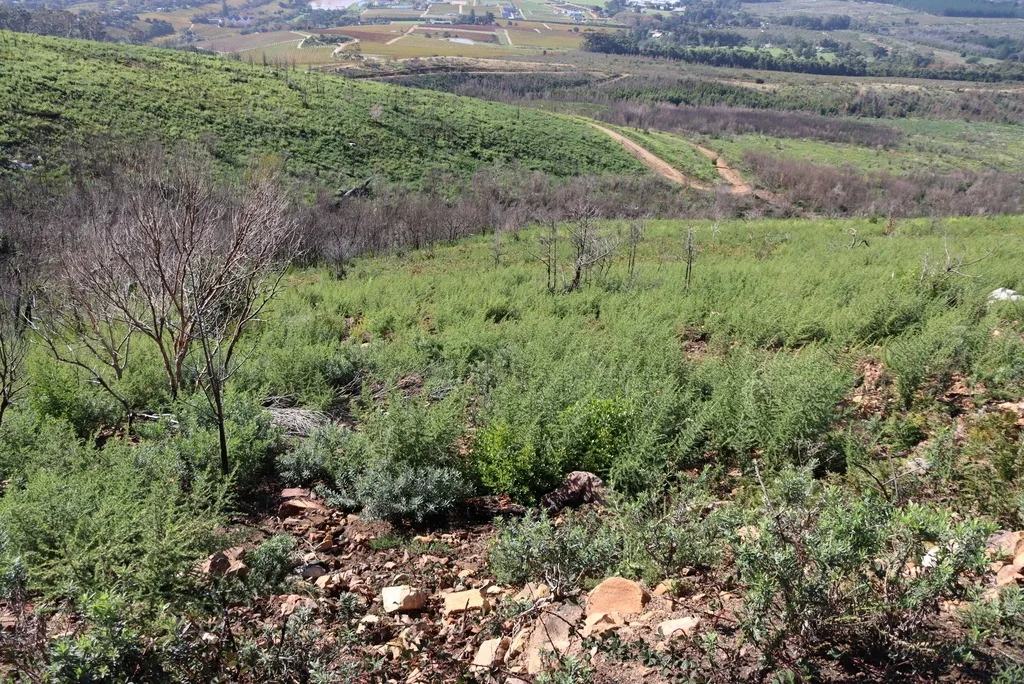
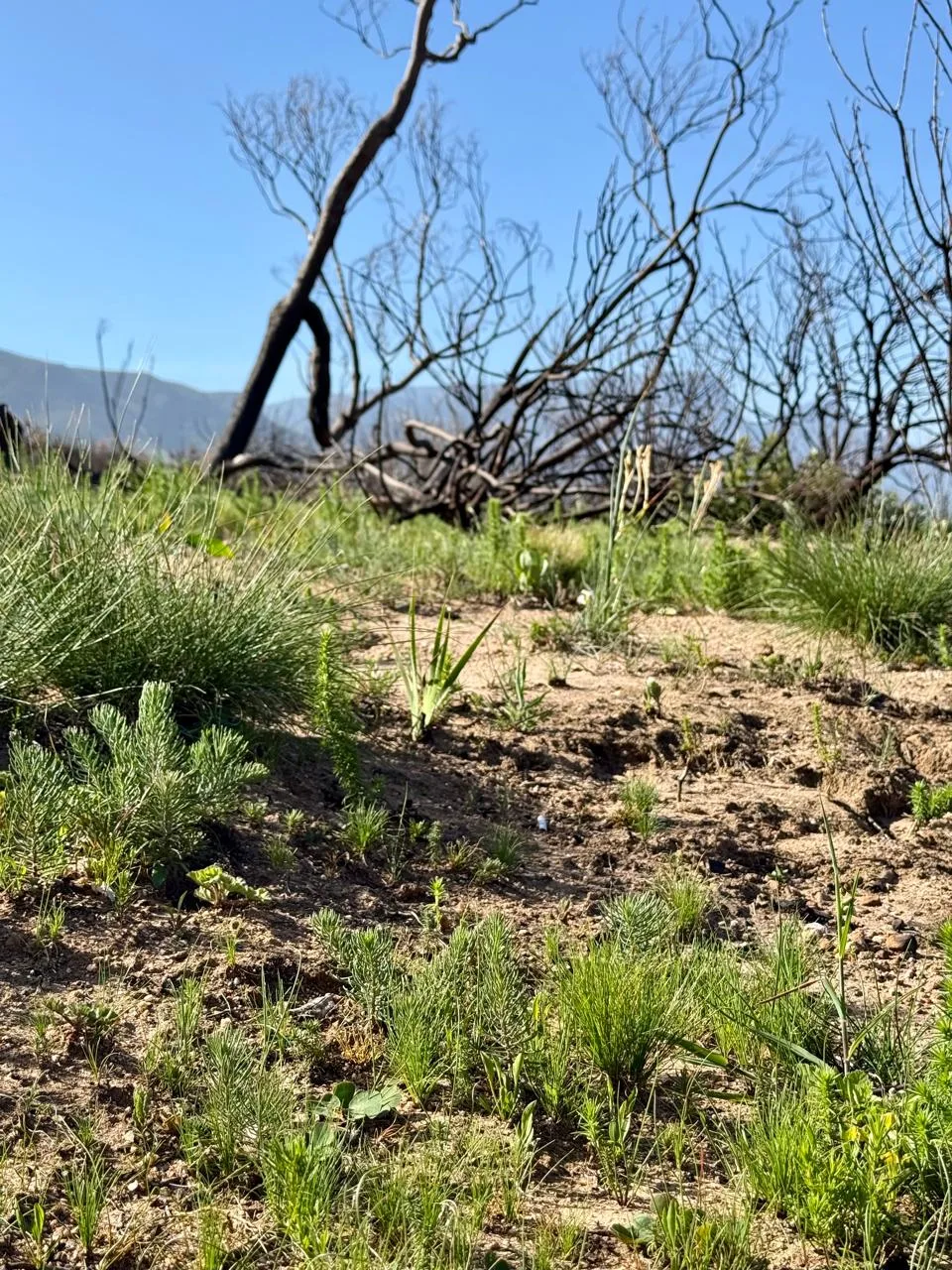
Considerable slash remained. This was stacked to prevent erosion and possible fires. Although some Fynbos regeneration occurred following the fire, most species seemed precluded from recovery by the dense shade of the pines and slash.
And a nasty surprise was the emergence of dense stands of mixed aliens.
Alien Wattles: a forestry legacy
Research into the early forestry records show that when the pines were first planted from seeds on the Tokai slopes, they fared poorly (Cluster Pine was chosen).
Foresters tried various means and methods to solve the problem, one of which was to seed the area with various pea species, especially Wattle (Acacia), under the assumption that nitrogen was in short supply.
These quickly outgrew the pines and became a major problem, after which the idea was abandoned. Still, several species proved useful, with the Golden Wattle in particular proving a lucrative source of tannins for tanning leather.
The pine-growth problem was eventually solved. It turns out that pines use fungi as their fine roots for gathering nutrients from the soil and when fungus was introduced with the seedlings, the pines’ growth exploded.
For those who remember collecting and eating Pine Rings from the plantations – those were the missing factor that launched the silvicultural enterprise in southern Africa.
Not in the SW Cape, however, where, even with the far faster-growing Monterey Pines, plantations were never a commercial success. A legacy of this problem is that Upper Tokai has more species of alien invasive Acacia (17 species) than any other place in the country.
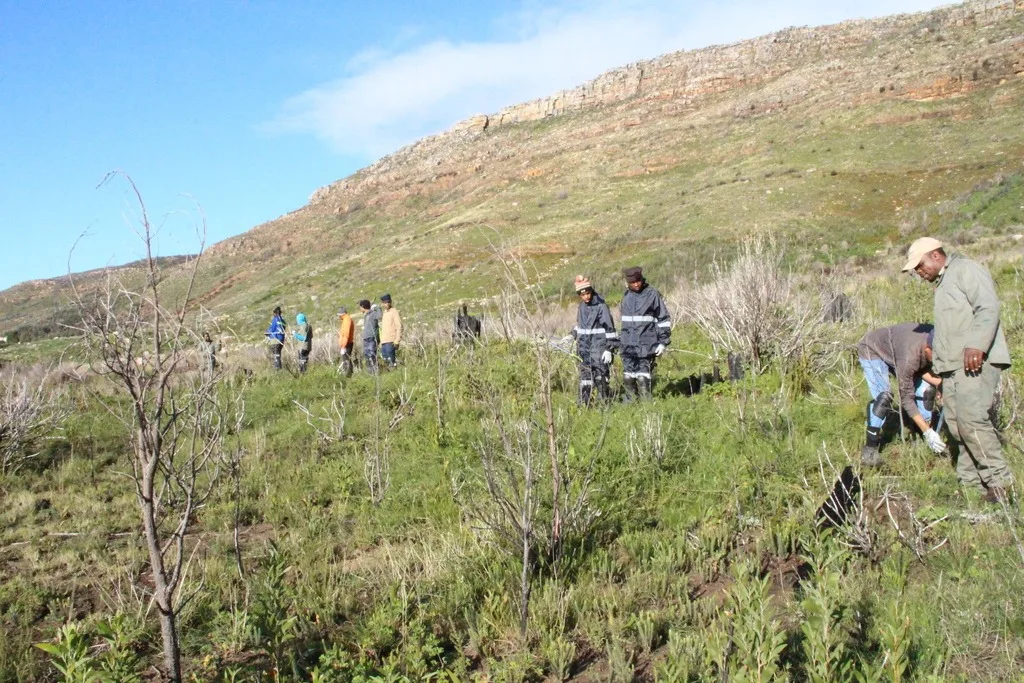
Most of the wattles proved easy to control. Volunteer hack groups and Working for Water (W4W) tackled the problem and brought most areas under control fairly rapidly by 2020.
An unexpected result of this control was the increased run-off from the slopes of Table Mountain. Everyone knows that pines and gums dry up rivers and waste large amounts of water, but the City’s local suburban infrastructure, developed in the catchment covered by pines and gums, was not designed to cope with the natural run-off and water yields associated with natural Fynbos.
If anyone needs proof of how much of our precious water alien infestations and plantations waste, just drive along Orpen Road after heavy rains and see for yourself. It is easy to understand why scientists predicted that just removing alien invasive species from the mountain catchments of Cape Town would yield the equivalent of another Steenbras or Theewaterskloof Dam each year.
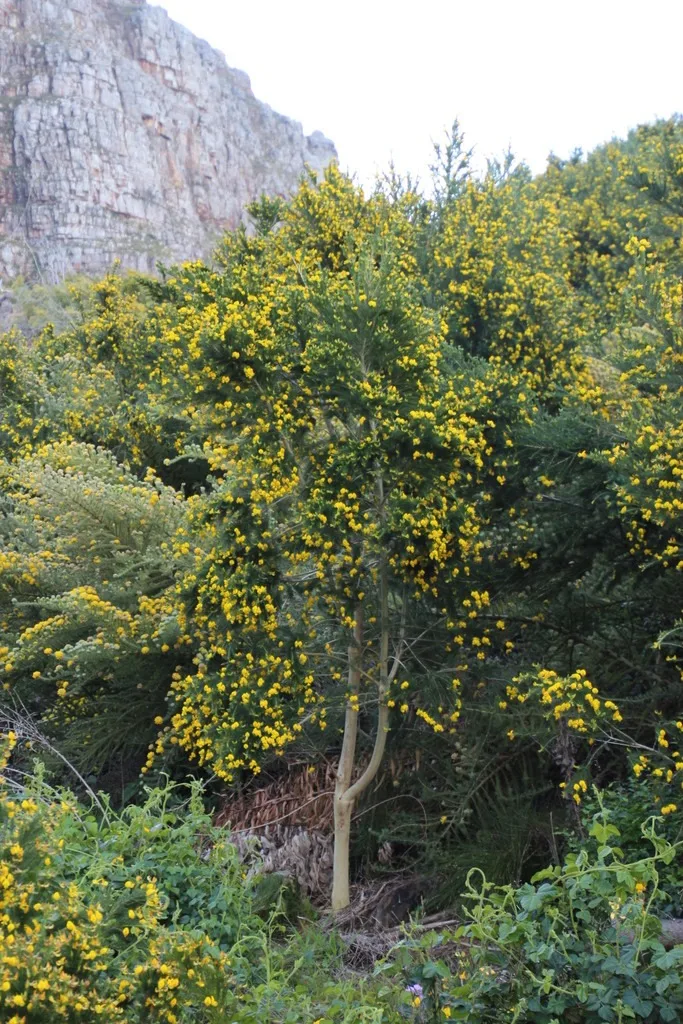
One species though, proved a problem. Current published control methods for Blackwood (Acacia melanoxylon) simply resulted in the plants bouncing back to form dense hedges, and little progress was made with eliminating it.
Friends of Tokai Park, under the IUCN Save our Species programme, decided to try variations of the control methods to see if a solution could be found. The best method was found to be frilling: ringbarking and painting all the stems with herbicide.
Crucial to success, though, was to be thorough to begin with and to follow up at least twice a year. Whereas the old W4W methods yielded a 5-10% success rate, frilling and regular follow-up yielded a 80-95% kill rate.
Without follow-up, the Blackwoods re-established pretreatment densities within 18 months.
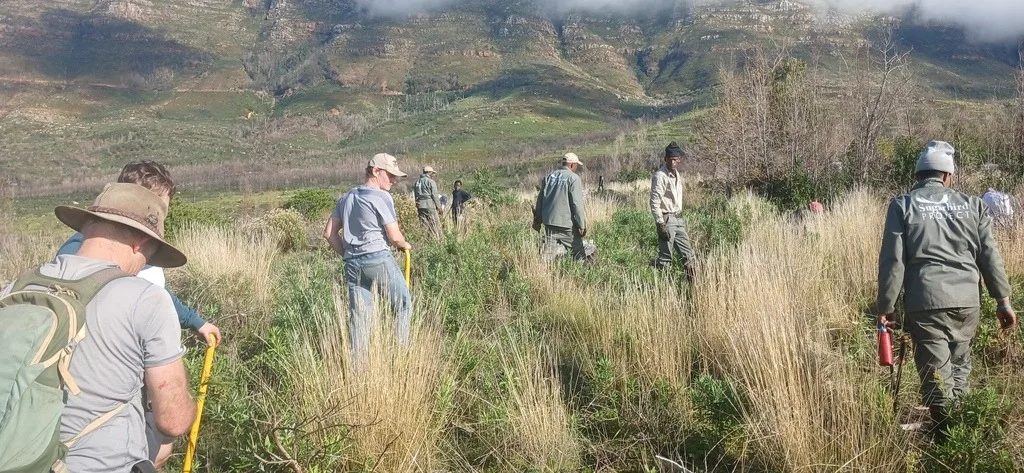
Unfortunately, W4W protocols do not allow more than one treatment per year, so they were not in a state to tackle the problem. Various volunteer groups rose to the occasion. The most impressive of these has been the Sugarbird Trust’s Sugarbird Project: a set of teams working across Table Mountain (including Tokai Park) to control alien invasives.
The program has been so successful that it has now expanded to Kogelberg, Hermanus, and other areas in neighbouring regions.
Restoration cycle two: the 2025 fire!
At Tokai, however, the situation took an unexpected twist. In April 2025, there was another wildfire. Fires typically occur at 10-20 year intervals in Fynbos, so this was a little earlier than the expected “2030” fire.
SANParks immediately knew that it had to control the expected aliens that would come up from the seed banks. Like Fynbos, alien wattles are adapted to fire and their soil-stored seed banks may last for over 100 years, so the fire would flush the next cohort of seeds. With each successive fire the germinating seeds decrease by 50-90% so, as this was fire number two, and especially since the previous post-fire regeneration was restricted by the pines, the seedling recruitment would be huge.
As is typical, the April fire occurred after the annual budget was approved and TMNP was caught without sufficient funds to tackle the aliens.
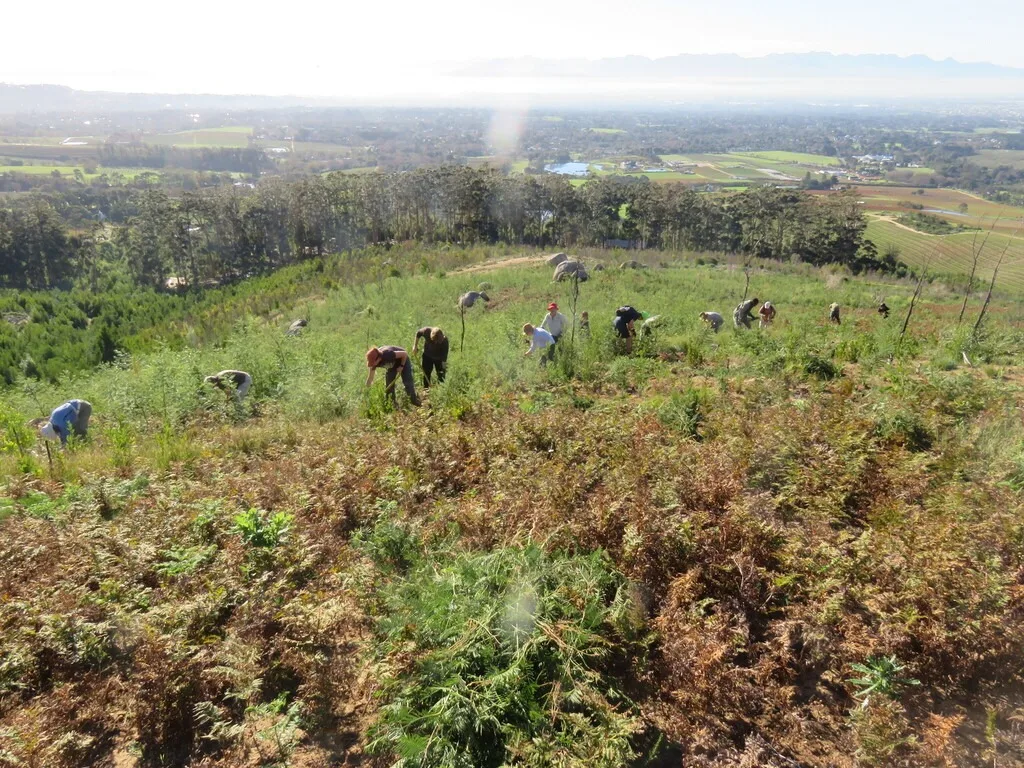
Once again, the volunteer groups came to the rescue. The Sugarbird Project mobilised large pulling teams – employing fire fighters in their off season – to pull seedlings at Tokai and Silvermine. At Upper Tokai Park, half the area was cleared in 2025 and it is hoped to finish the task in winter 2026.
But again the Blackwoods are an issue: they cannot be frilled until they are large enough, so tackling them will only start in late 2026, after all the other species are pulled. Until we tackle these Blackwoods, the Blackwood areas will look unsightly, but they are not the current focus.
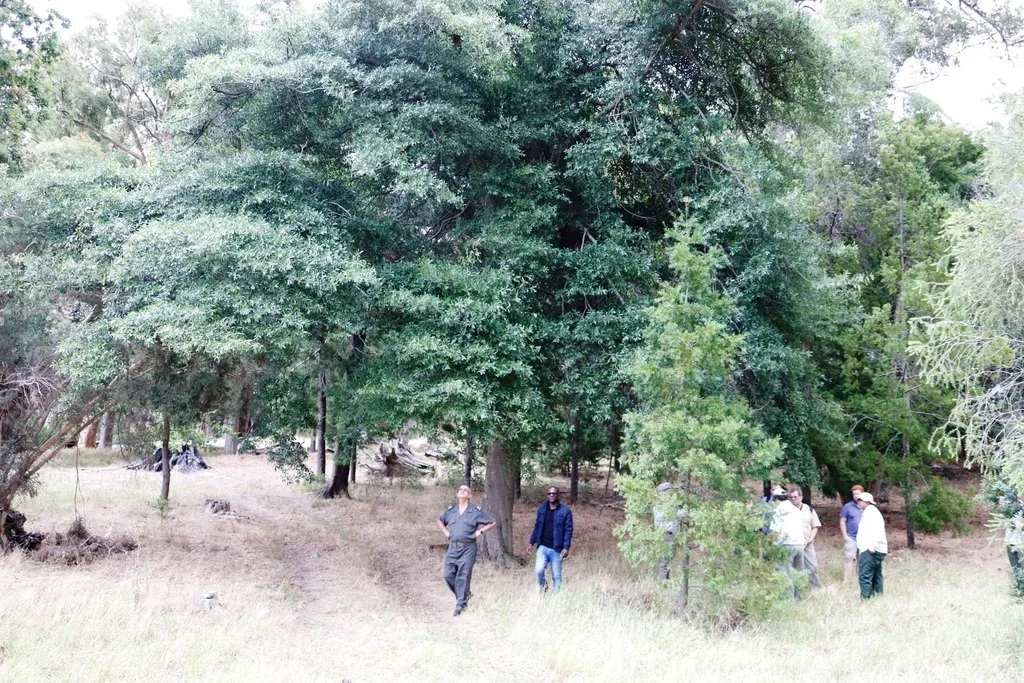
Blackwoods notwithstanding, all other aliens – including gums, oaks and unusual species that escaped from forestry – have been controlled in the Fynbos blocks. These alien species are now being restricted to the Tokai Arboretum, as proclaimed in 1985, where the Forestry legacy is being preserved and managed by Table Mountain National Park.
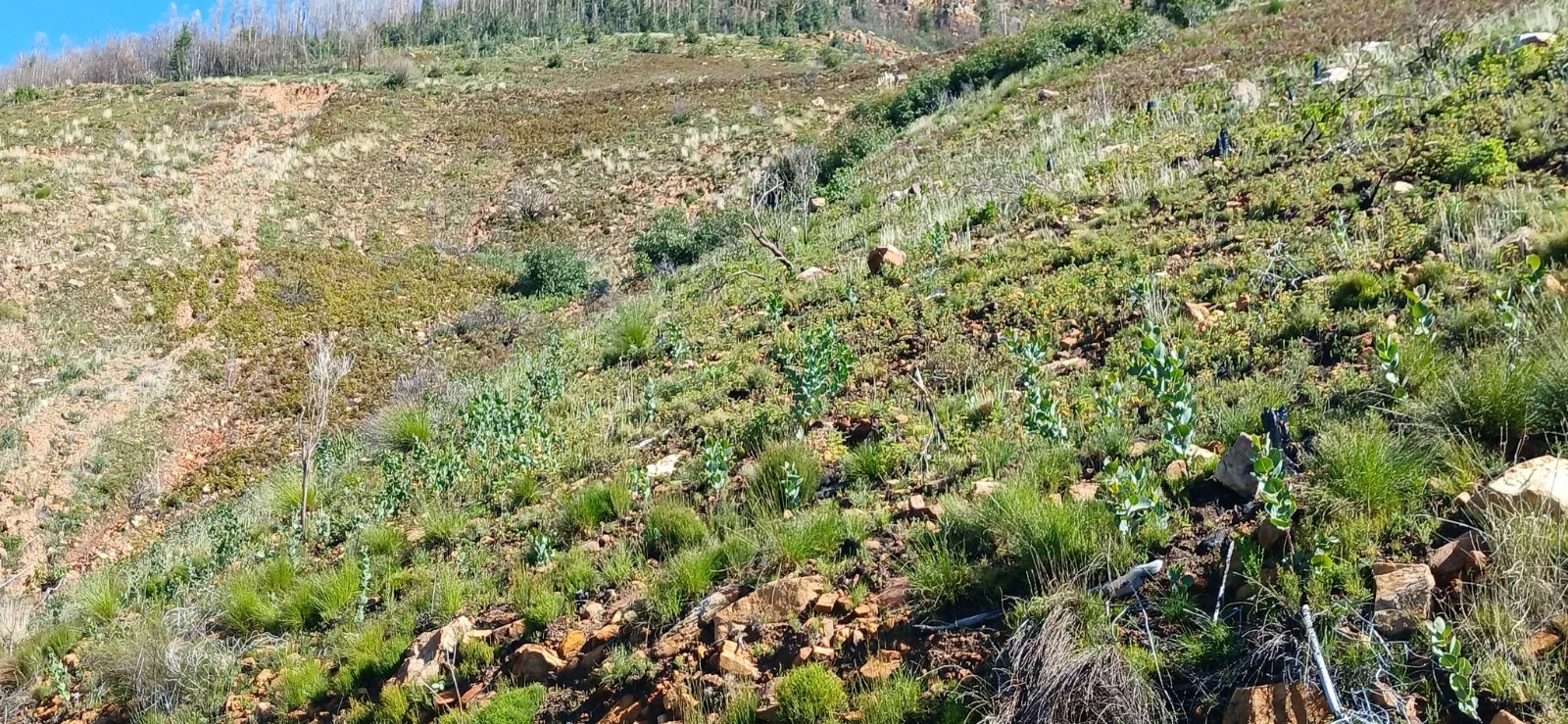
Fynbos bounces back as usual
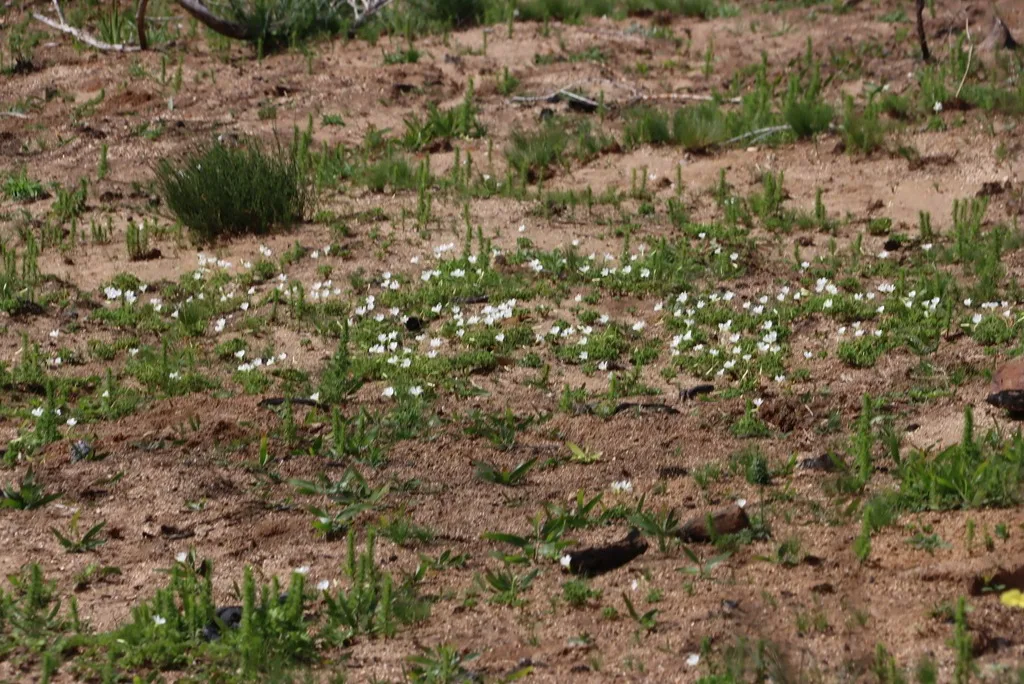
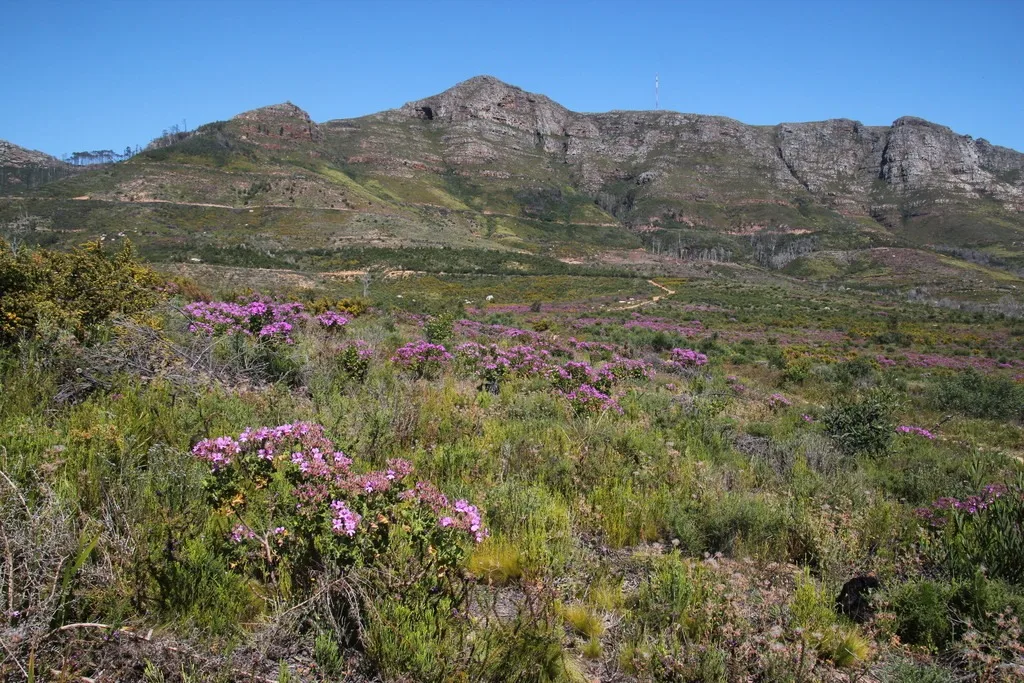
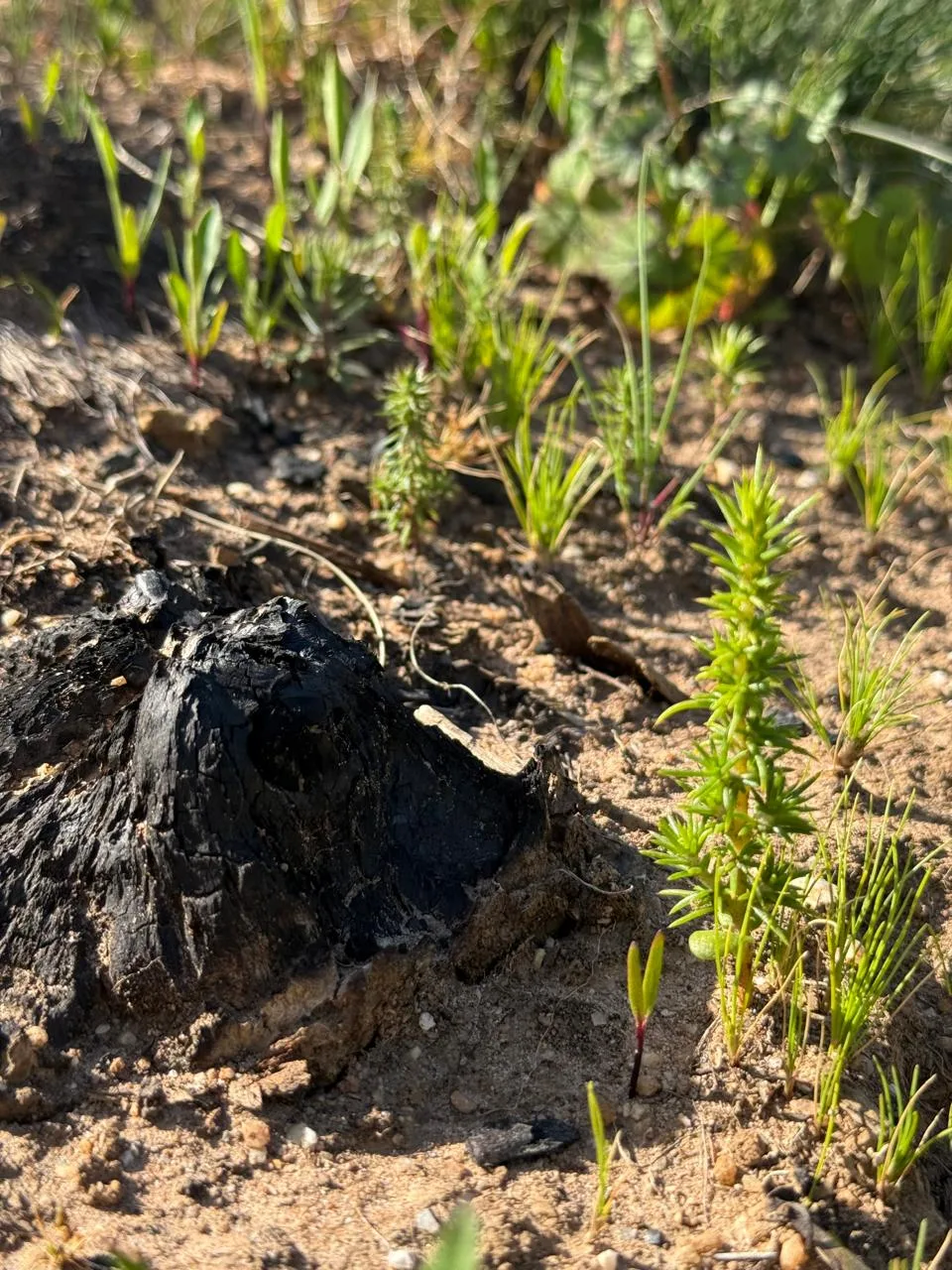
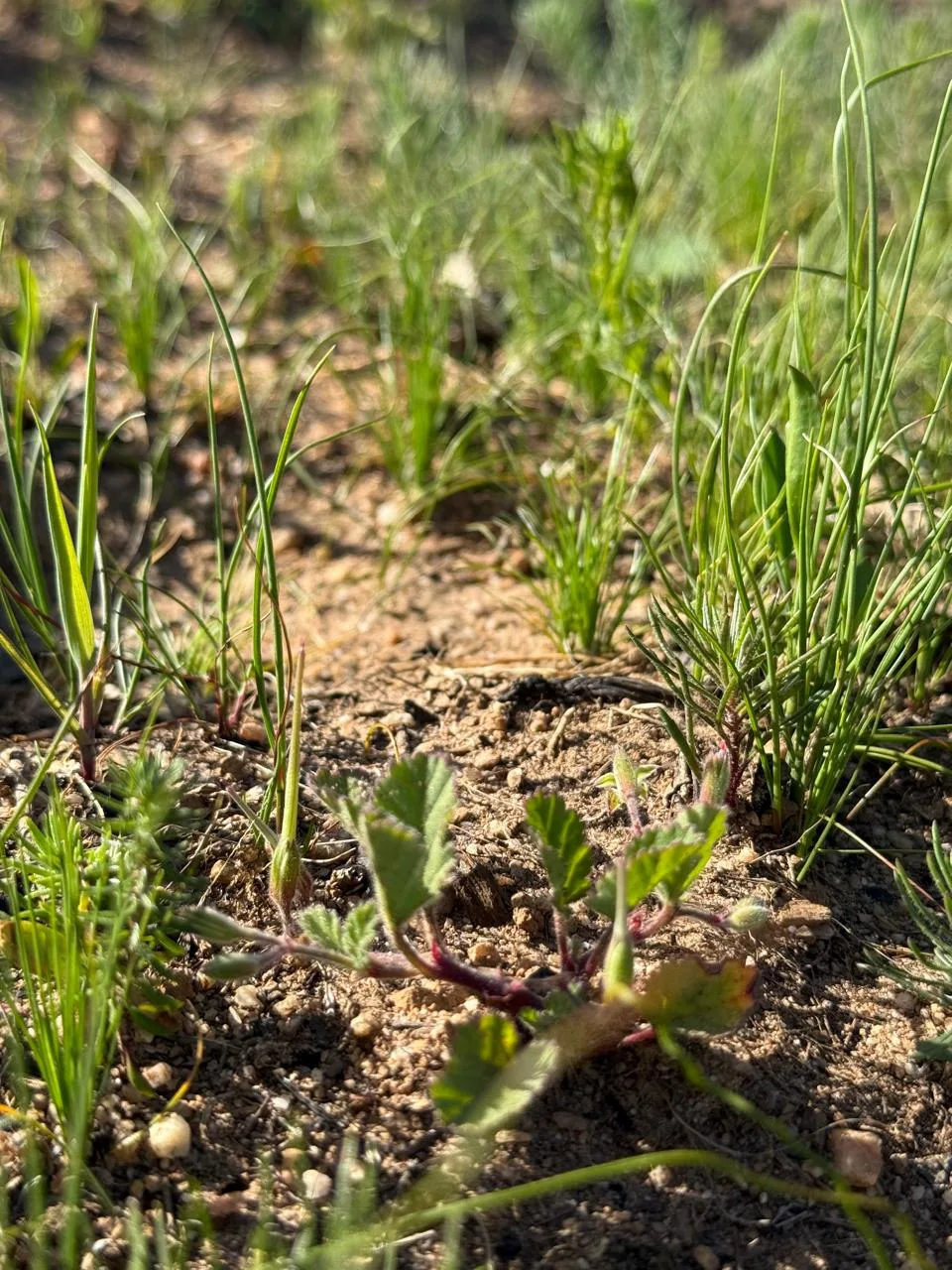
The Fynbos at Tokai and Silvermine responded with its usual exuberance. Orchid and bulb enthusiasts flocked to the burnt areas to enjoy the floral displays. Unlike the 2015 fires which saw baboons affected by the fire, the 2025 fire did not faze the baboons at all.
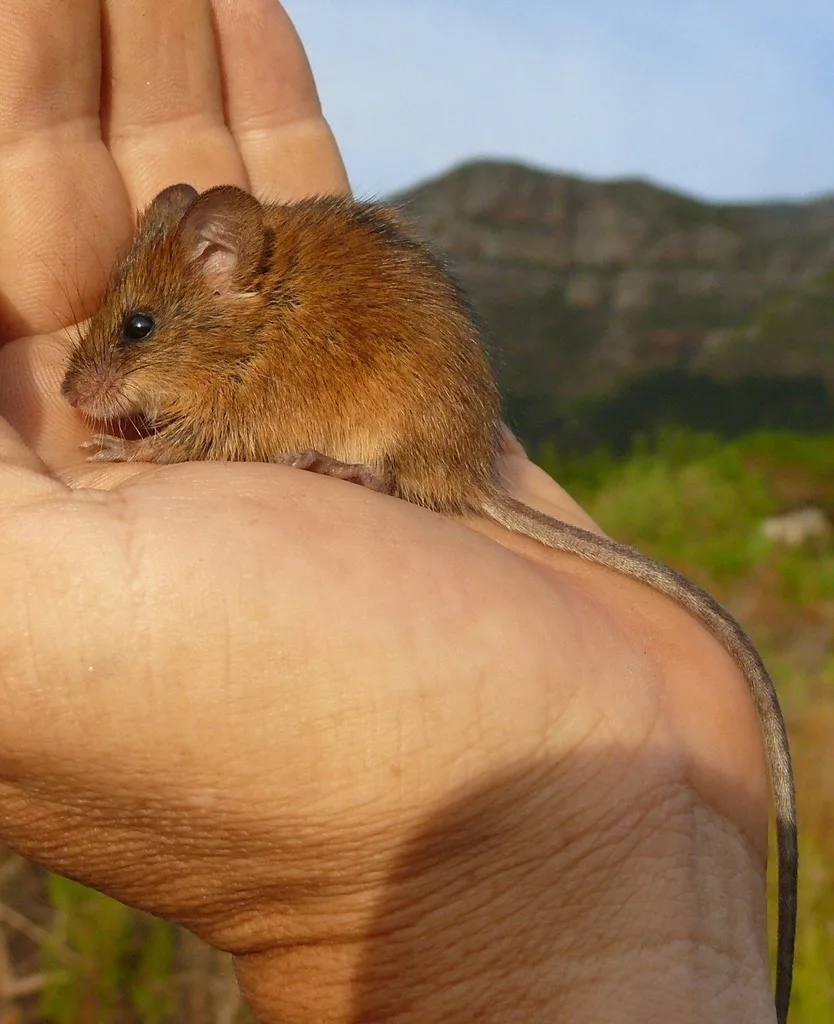
At over 100 individuals – the largest population on the Cape Peninsula – the baboons are thriving on the bountiful granite fynbos (sandstone fynbos has little food value for most mammals). Caracal, Grysbok, Porcupines, Western Leopard Toads and other animals also abound in the area.
The seeds are collected by ants – they have “ant fruits” as a reward – and are stored underground – safe until the next fire. However, being nitrogen-rich is not a good strategy in nutrient-poor Fynbos and the Capegorses rapidly convert their resources to seeds and die and, like the orchids and bulbs, vanish until the next fire.
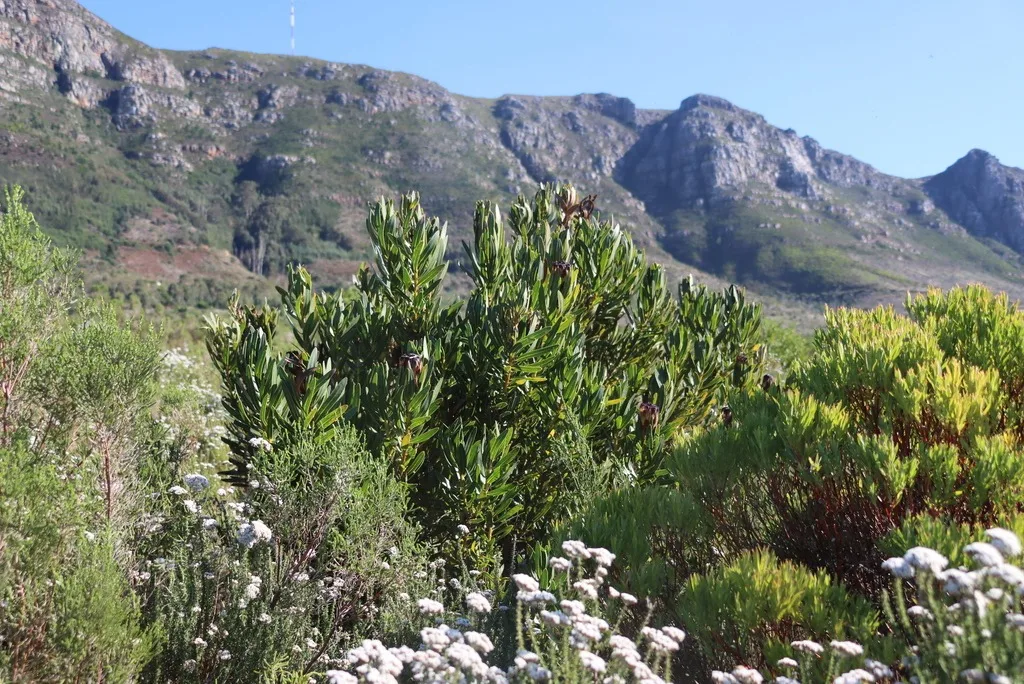
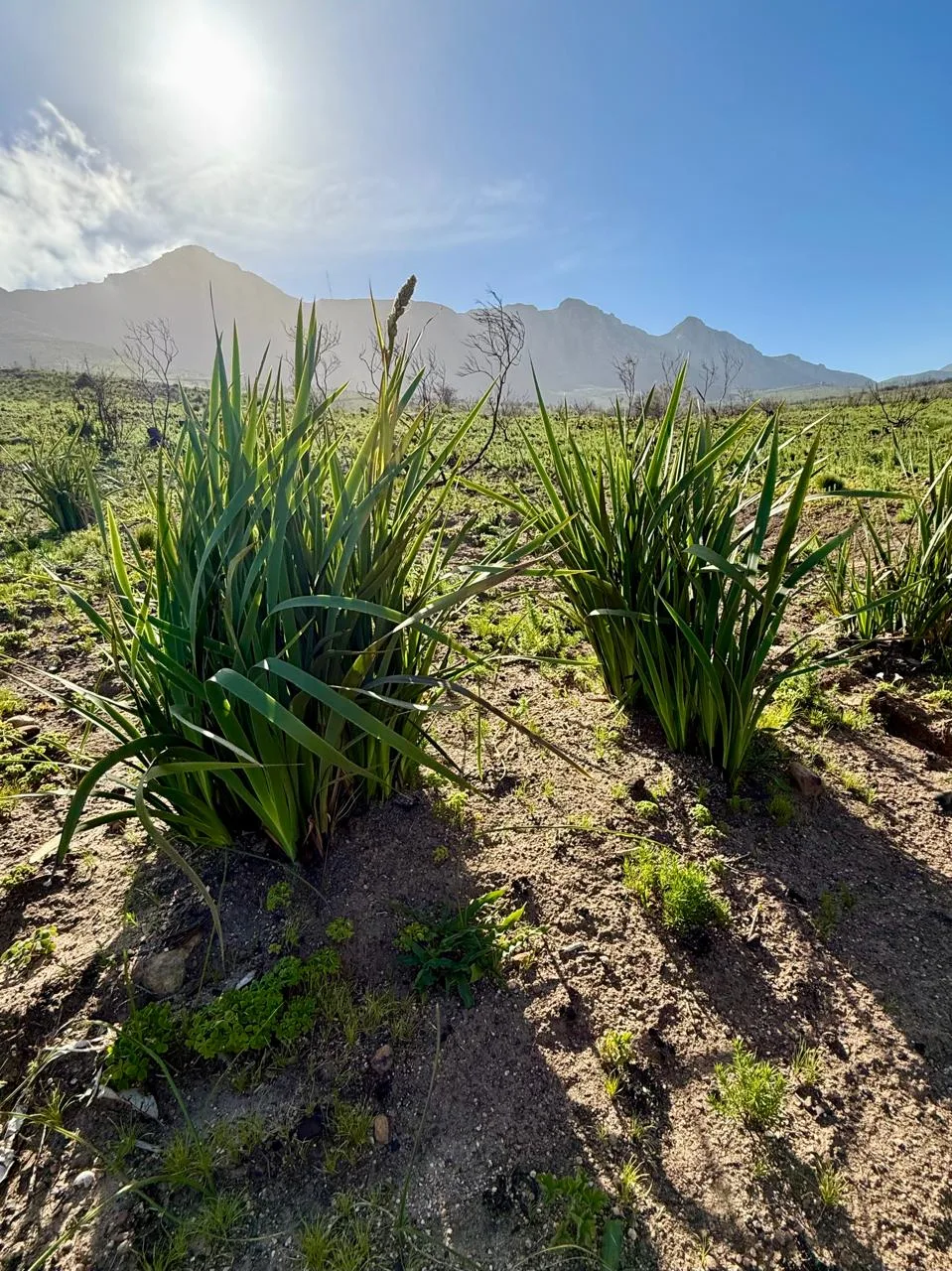
The field is now set for successive waves of other (less edible) species to dominate the ecosystem. First the restios will become obvious (at about 3 years), then the heaths and heath-like plants and then, lastly, the proteas (at about 6 years). By 10 years, the veld is ready to burn again, although most fires happen in older veld.
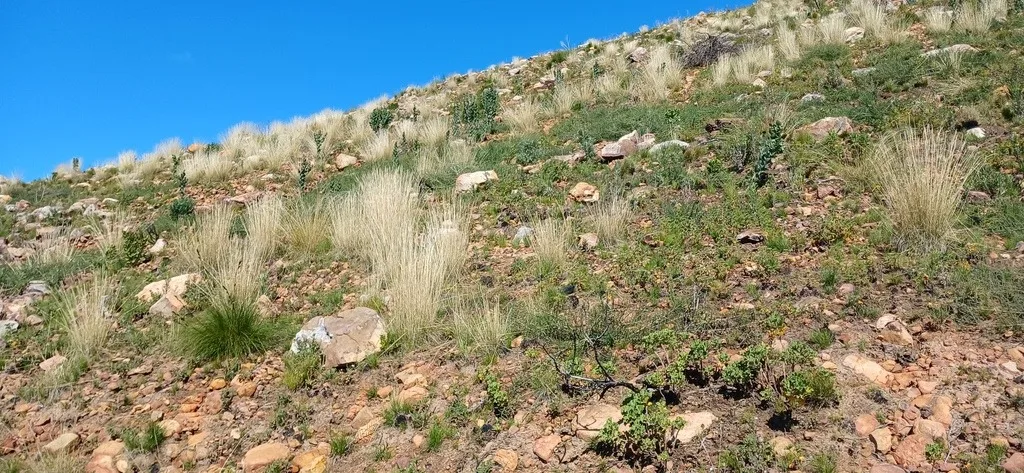
It’s important to note that the next fires will not happen soon – the fuel must still grow. Rocks cannot burn.
In the post-fire environment, enthusiasts are monitoring Fynbos recovery at Tokai Park. The post-fire orchids, bulbs and fire weeds are largely already done: sorry – you missed them! Come back after the next fire if you want to meet them.
The next phase is that of the indigenous peas: and the Capegorses – the second-largest genus (Aspalathus, with over 400 species) in the Cape Floral Kingdom after the Heaths (Erica) – have risen to the occasion.
To date over 15 species have been recorded at Upper Tokai Park. These include the Heart Capegorse (A cordata), Horrid Capegorse (Aspalathus astroites), Fluffy Capegorse (A chenopoda), Diverging Capegorse (A divaricata), Bristle Capegorse (A hispida), Retro Capegorse (A retroflexa), Heady Capegorse (A capitata), Purplehead Capegorse (A cephalotes) and Heathleaf Capegorse (A ericifolia).
Most excitingly, we have the largest population in the world of the Endangered Bigflower Capegorse (Aspalathus macrantha), which appeared out of nowhere after the 2025 fire. We will be monitoring this exciting development over the coming spring.
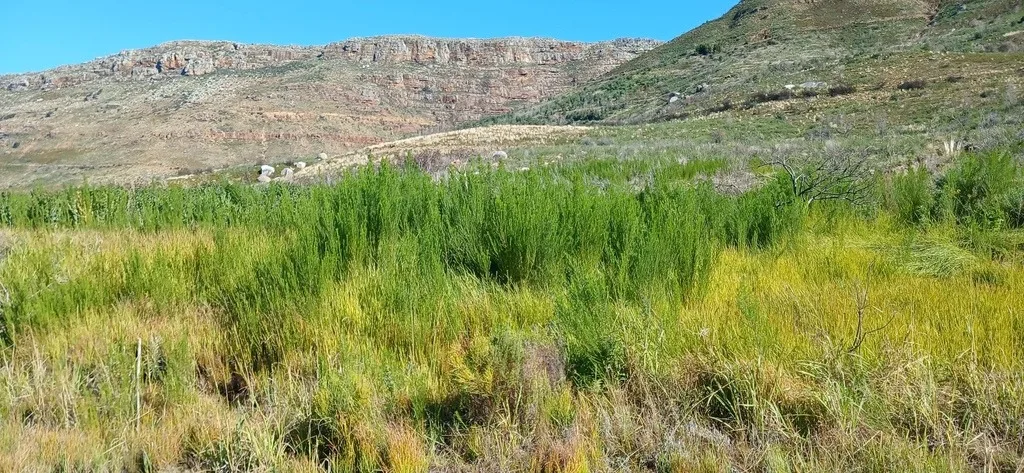
Amazingly, these species have, to now, outgrown the alien invasive species. They form dense stands, protecting the other Fynbos species and providing nitrogen to their communities. These species will almost all flower over the next two years and produce copious seeds which, like the alien wattles, can stay dormant in the soil for over 100 years.
Most will germinate after the next fire in 10-20 years time, and repeat the cycle.
What has been achieved?
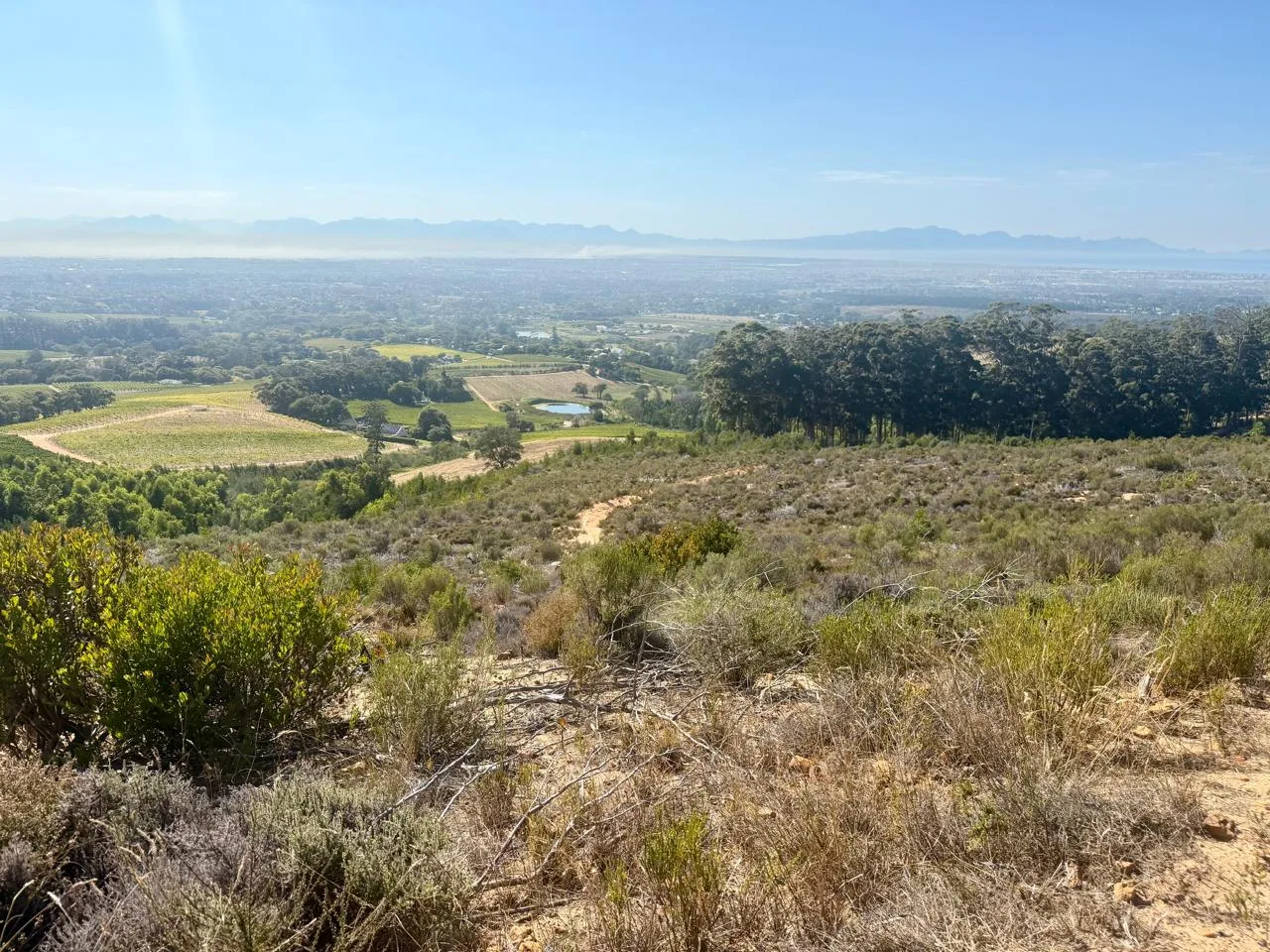
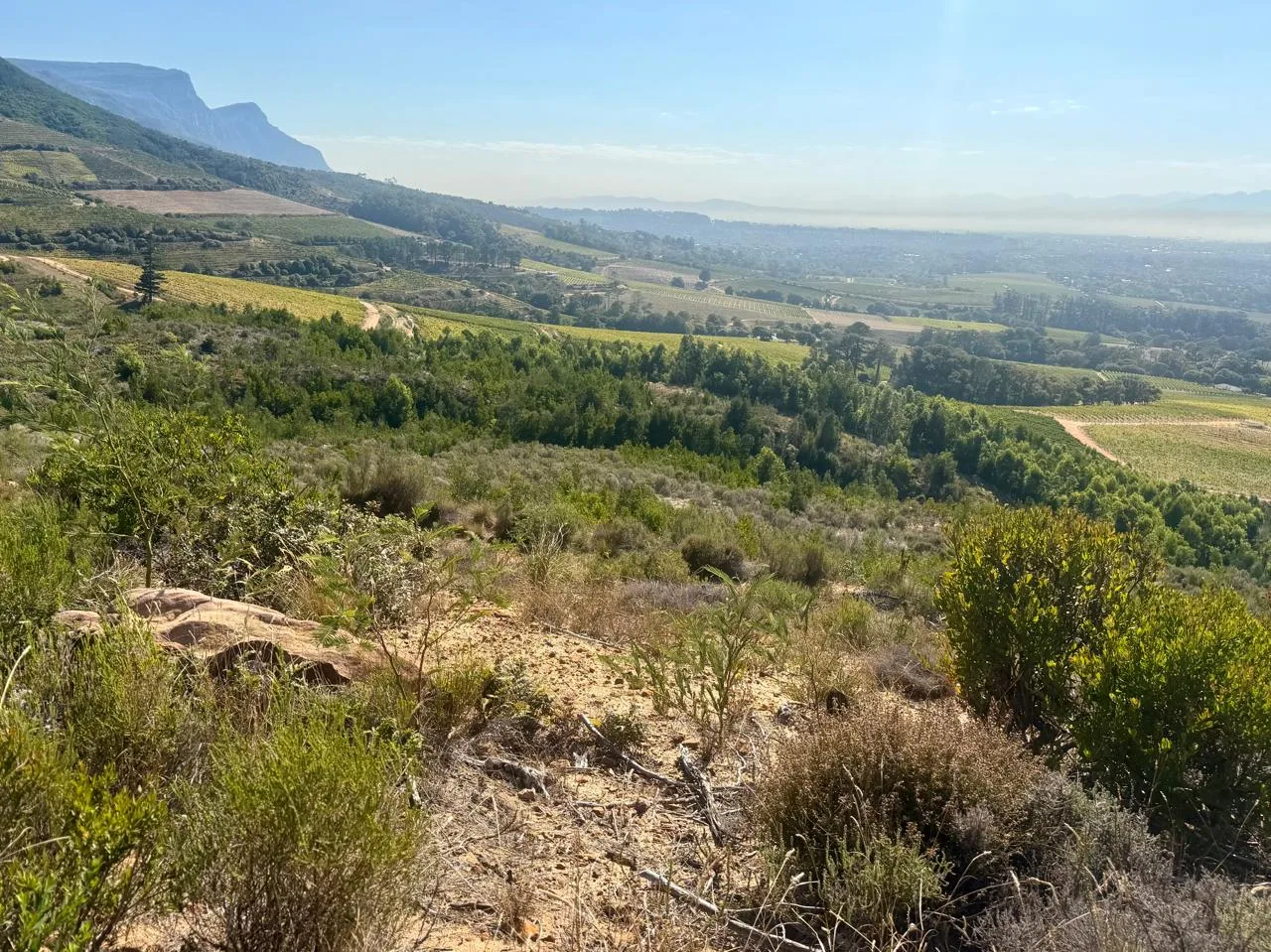
Although we are only in year two of this current regeneration (post-fire) cycle, we have recorded many species since the pines were removed. To date, we have over 700 species of indigenous plants in Upper Tokai Park – only four other national parks in South Africa have more species than this single slope: revealing the astonishing floral diversity that occurs in Upper Tokai Park.
Some 30 Red Data Book plants species have spontaneously returned to Upper Tokai Park, including the enigmatic Silvertrees. To put this in context, the entire province of Gauteng has 26 Red List plant species, Kruger National Park has 10 and the Garden Route National Park has 28.
And what did this restoration cost? Almost nothing: the Fynbos restored itself. This is restoration at is most potent: truly a remarkable recovery of one of the richest and most threatened ecosystems on Earth. And the only major restoration expense has been removing the aliens that humans unwisely introduced into the richest floral kingdom on Earth in the first place, threatening the biodiversity of this amazing plant realm.
Intriguingly, there is hardly any erosion in the recovering Fynbos. There is very bad erosion, but it is associated with the old forestry roads, where water is being diverted and channelled, causing dongas and road damage. But even these areas are recovering well, with wetland species moving into most of the dongas.
As old disused forestry roads, they remain impassable – perhaps they should be rehabilitated to Fynbos?
In line with its being the first forestry area in southern Africa, Upper Tokai Park also has an additional 207 alien plant species – another phenomenal statistic, and a major issue.
Fortunately. Friends of Tokai Park, the Sugarbird Project teams and Working for Water are here to meet the challenge. The unsung heroes of the restoration of Fynbos are the volunteers clearing aliens and supporting ”the Sugarbirds” as they help TMNP keep our Fynbos ecosystems alien free.
If you would like to support the Sugarbird Project controlling alien invasive species, please visit the Sugarbird Project web page.