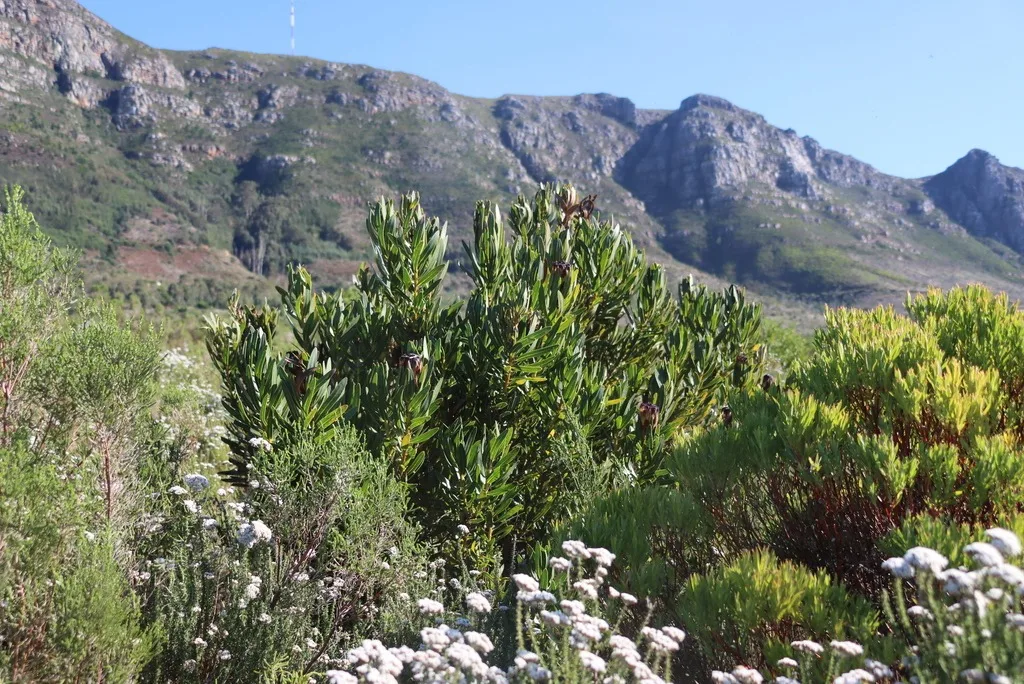
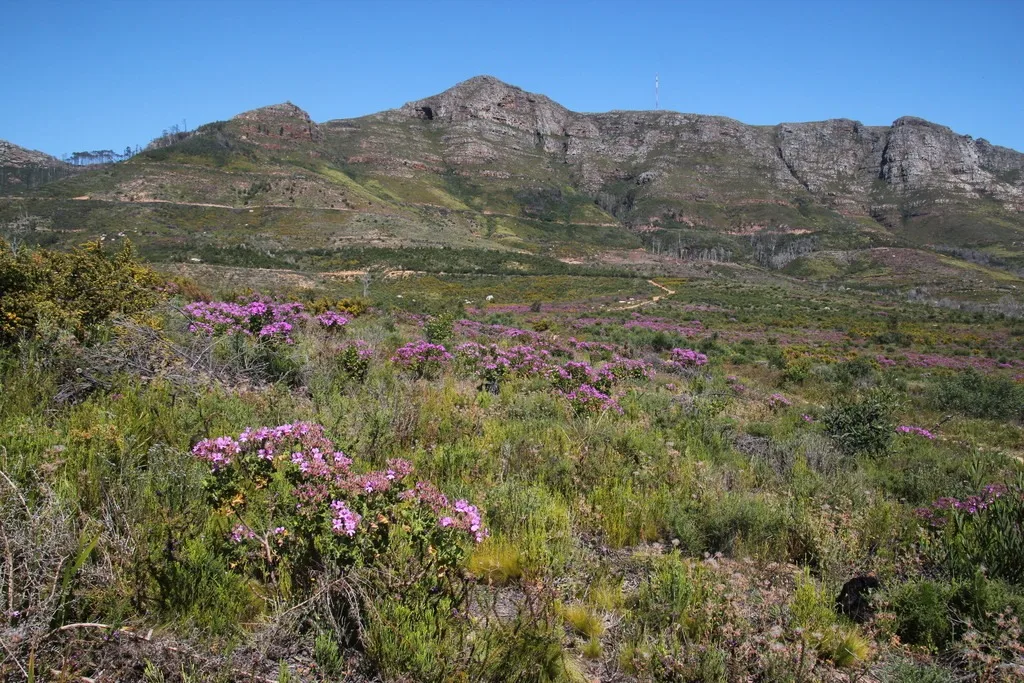
Proteas and Conebushes with Blombos in the foreground
Proteas and Conebushes with Blombos in the foreground At Level 2 above the Faerie Wetland in Upper Tokai Park. The veld here is nine-years-old, just before the 2025 fire. All the plant species have flowered since the 2015 fire, but have the animals and insects recovered enough to pollinate the plants? Only recovery after the 2025 fire will answer this question definitively! Monitoring is still underway, but it is looking really good.

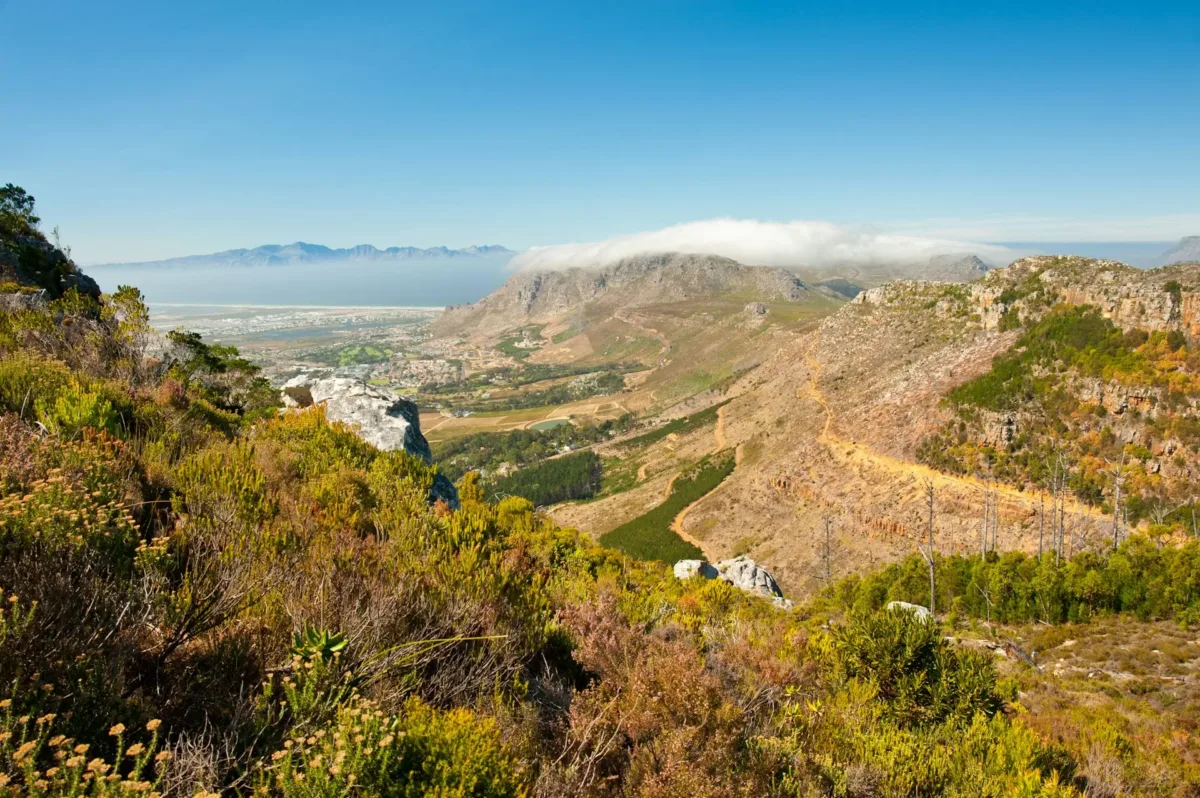
Upper Tokai Park – A Glorious Decade of Fynbos Restoration

Over 700 species of Fynbos have been recorded in Upper Tokai Park – only four South African parks have more species than this single slope.

  • Post author:
Continue ReadingUpper Tokai Park – A Glorious Decade of Fynbos Restoration
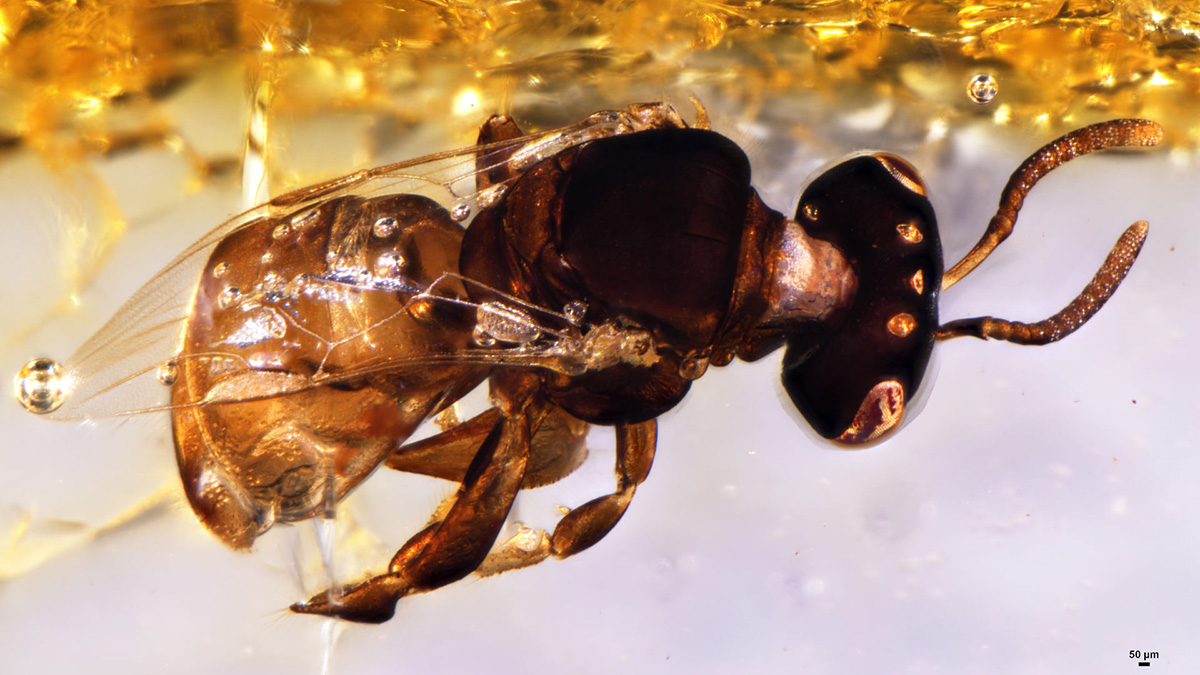
Hypotrigona kleineri
Another view of the stingless bee species Hypotrigona kleineri, with the yellow color of the amber filtered out. “It seems trivial on a planet with millions of species to sit back and go, ‘Okay, well, you documented two stingless bees that were lost,’” Michael Engel said. “But it’s really far more troubling than that.” Visual: Seckenberg Natural History Museum

Discovered in Collections, Many New Species are Already Gone

Scientists are increasingly seeing evidence of “dark extinction” in museum and botanical garden collections. By Undark's Katarina Zimmer.

  • Post author:
Continue ReadingDiscovered in Collections, Many New Species are Already Gone
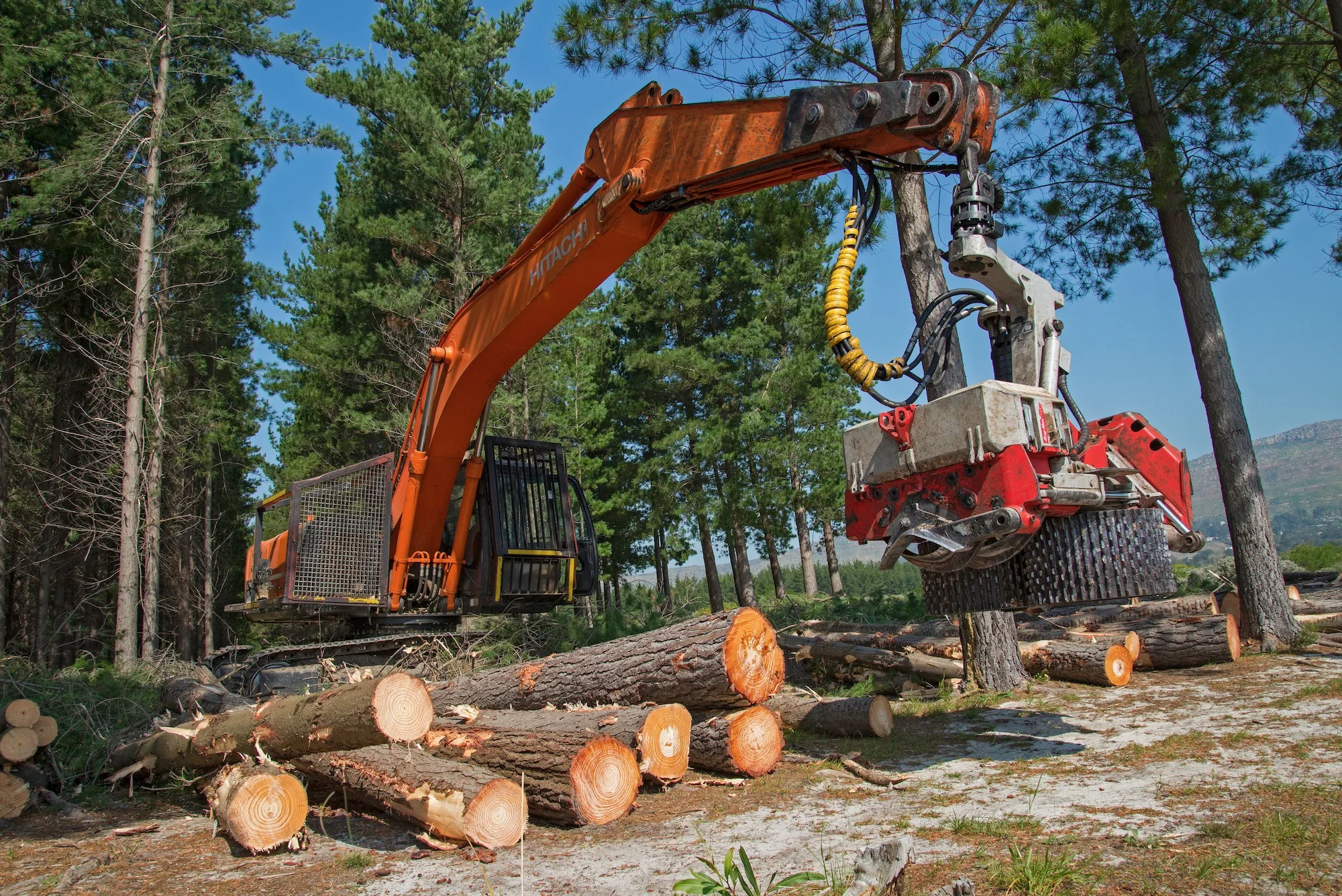
Tokai Pines DM
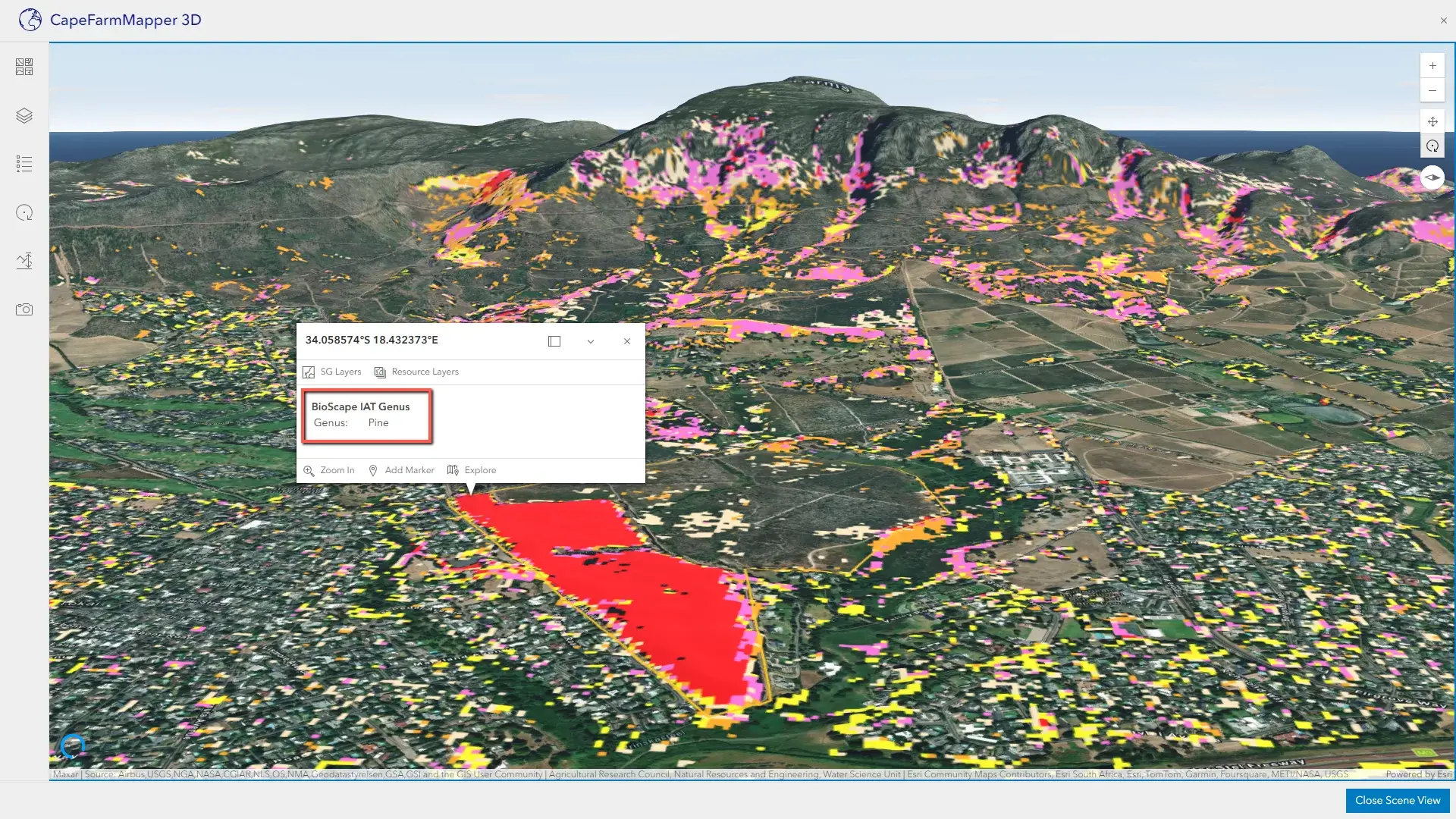
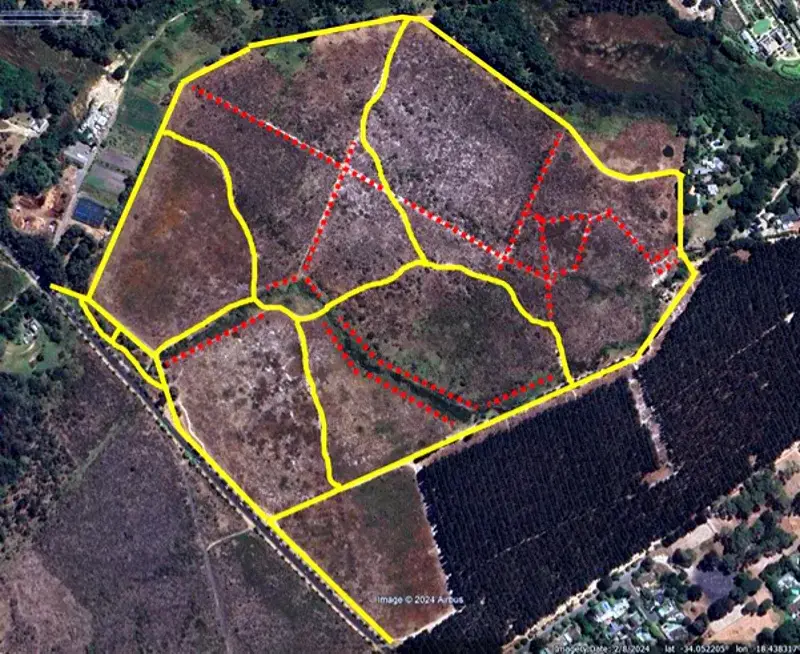
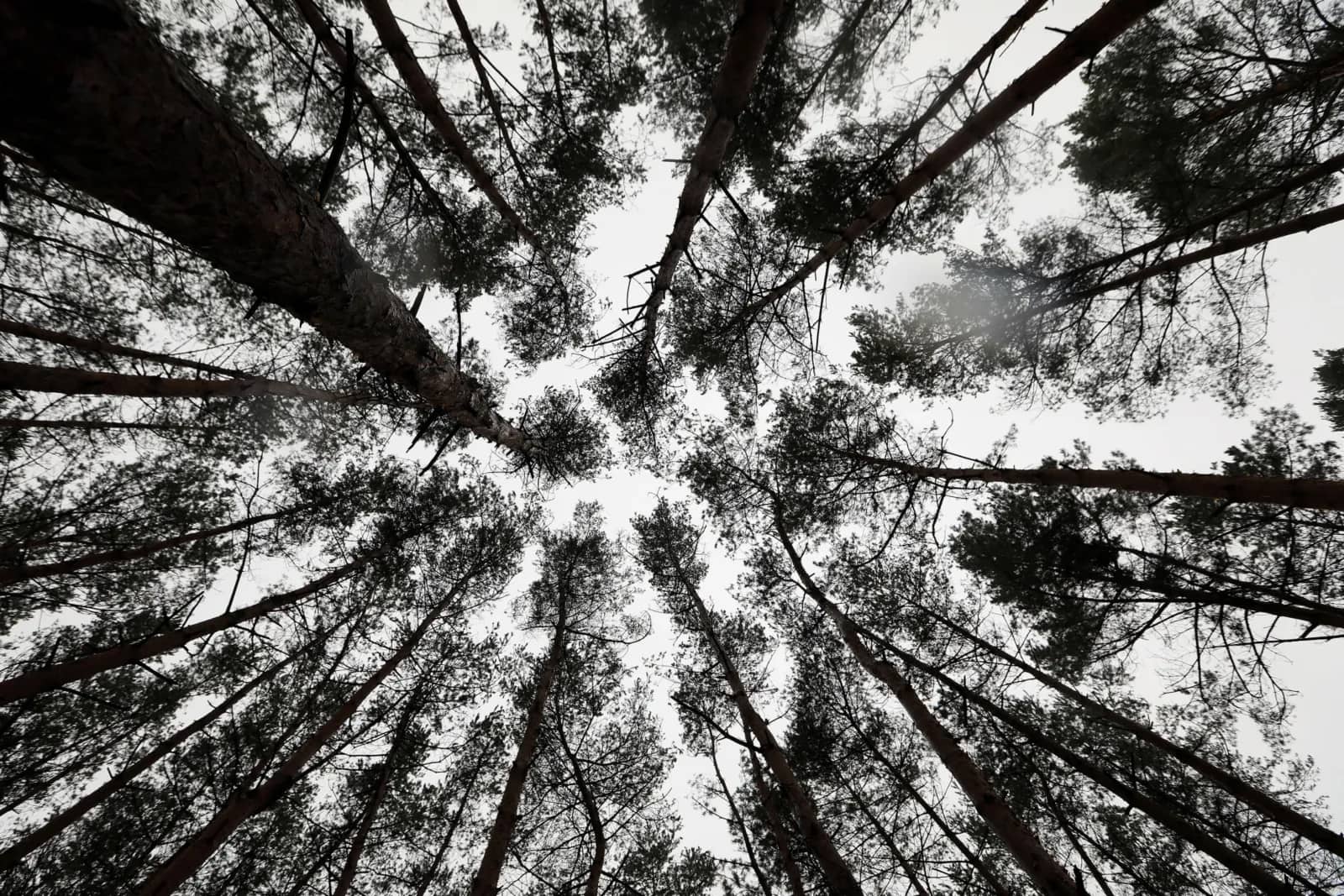
The area surrounding Tokai Park used to be a commercial pine plantation, but after the exit of forestry from the Western Cape, the last pine trees are being harvested and the area is being restored to indigenous fynbos vegetation.

The Tree Myth – With special regard to TMNP

Paul and Eileen van Helden lay to rest the myth that alien pines (pinus radiata) sequester more carbon than fynbos at Tokai Park.

  • Post author:
Continue ReadingThe Tree Myth – With special regard to TMNP